Kharg Island, the Strait of Hormuz, and What Comes Next
Key Takeaways
- • CENTCOM struck all military targets on Kharg Island but deliberately left oil infrastructure intact as leverage
- • 31st Marine Expeditionary Unit redirected from Japan to the Middle East - roughly 2,200-2,500 Marines
- • Iran's missile production reportedly 'functionally defeated,' with launch capability down 90% and drone capability down 95%
- • Strait of Hormuz effectively closed - the largest supply disruption in the history of the global oil market per the IEA
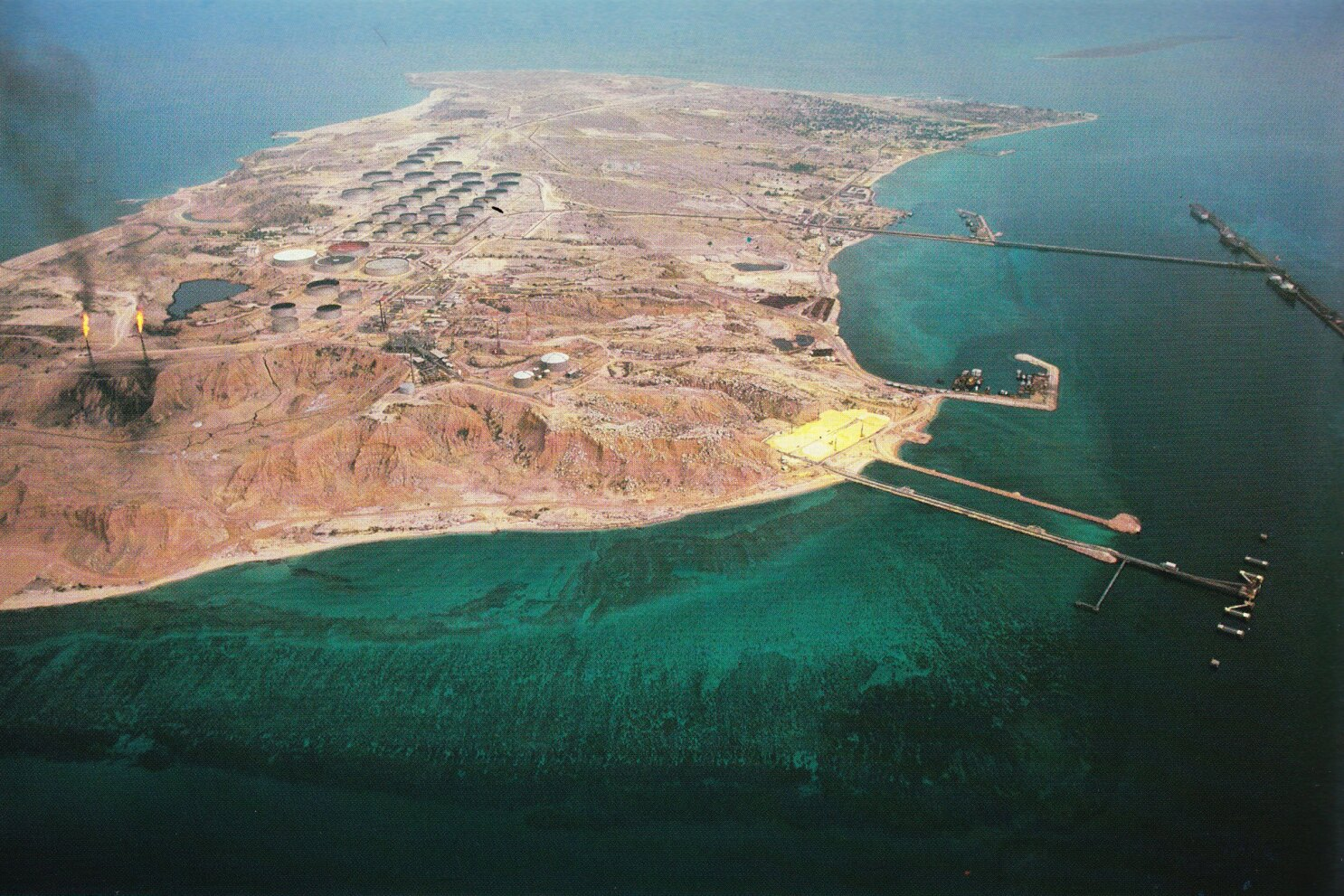
On the evening of March 13th, President Trump announced that CENTCOM had “obliterated every military target” on Iran’s Kharg Island. If you don’t know why that matters, Kharg handles roughly 90% of Iran’s oil exports. It’s the economic heart of the country. And until tonight, it hadn’t been touched.
But here’s what’s important: the oil infrastructure was left standing. Trump explicitly said he chose not to destroy it, but warned he’d reconsider if Iran keeps blocking ships through the Strait of Hormuz. This wasn’t a knockout blow, but rather a message: “We can turn off your economy whenever we want. Take a deal.”
This didn’t happen in isolation. Earlier today, Defense Secretary Hegseth confirmed that Iran’s new Supreme Leader Mojtaba Khamenei - who took over after his father was killed in the opening strikes on February 28th - is “wounded and likely disfigured.” The evidence? Khamenei’s first public communication was a written statement. No video, no voice, just text. Hegseth’s read: “Iran has plenty of cameras and voice recorders. Why a written statement? I think you know why.” Read more
Also today, the Pentagon ordered the 31st Marine Expeditionary Unit - roughly 2,200-2,500 Marines aboard the USS Tripoli and supporting ships - redirected from Japan to the Middle East. These aren’t garrison troops. MEUs are built for amphibious landings, raids, and crisis response. Analysts at The War Zone immediately pointed out the obvious: when you think about a Marine Expeditionary Unit in this context, one target comes to mind. Kharg Island.
One military geography professor estimated it would take about 5,000 troops to seize and hold the island. The force headed there right now is roughly that size when you count Marines and sailors together.
So the sequence today: Supreme Leader confirmed wounded and hiding. Marines ordered from the Pacific. Kharg military targets destroyed. Oil infrastructure left as leverage. That reads like setting conditions, whether or not they ultimately commit to a ground operation.
What I think actually happens
The internet wants this to be World War 3. It’s not. Russia is stuck in Ukraine. China has zero appetite for a naval confrontation with the US over Iran. Nobody with nuclear weapons is on Iran’s side of this. The discourse about a US draft is classic fear-mongering.
Iran’s conventional military is being systematically taken apart from the air. Hegseth said today their missile production is “functionally defeated,” launch capability down 90%, drone capability down 95%. Over 15,000 targets have been hit in two weeks. Whatever you think about the politics, the military math is one-sided.
But that doesn’t mean this ends cleanly. Iran doesn’t need conventional forces to make this painful. Their playbook has always been asymmetric: proxy attacks, Hezbollah, militia strikes on US bases across the region, cyberattacks, mining shipping lanes. The Strait of Hormuz is still effectively closed. The IEA called it the largest supply disruption in the history of the global oil market. Oil is above $100 a barrel. War risk insurance in the Gulf is through the roof.
NOTE: Scott Bessent told Sky News that Iranian tankers, and some Chinese-flagged tankers, have made their way through the Strait of Hormuz. This confirms that Iran has not layed mines in the Strait.
That’s the real pressure. Not necessarily military escalation, but economic bleed prologned by a War of Attrition. That is what forces a timeline for the US and Israel.
My read: this is a 1-2 month operation. The US continues degrading Iran’s military from the air. There may be limited ground operations - Kharg Island, possibly special operations raids on nuclear sites. But a full land invasion of Iran is very unlikely. The terrain alone makes it impractical without hundreds of thousands of troops, and there’s no political appetite for that.
What ends this is economics. The US uses the Kharg leverage and air superiority to force Iran to the table, probably through Gulf state intermediaries like the UAE or Oman. Some kind of deal emerges - likely involving the Strait reopening under effective US naval supervision, Iran’s nuclear program, and sanctions relief. Iran’s regime survives but comes out severely weakened. Oil markets stabilize, and everyone declares victory. Classic Uncle Sam stuff.
The wildcard is desperation. If Iran’s leadership - whoever is actually in charge right now - decides they have nothing left to lose, things could get ugly in unpredictable ways. But the Kharg strike tonight seems designed specifically to prevent that by making the cost of continued resistance existential. Although, Iran has already warned it will strike all US-linked oil infrastructure across the Gulf if its own oil facilities are hit - and with the Kharg oil terminal still standing as Trump’s leverage, that threat cuts both ways.
People are scared, and the temperature online is extremely high. But if you zoom out from the doom-scrolling, the contours of how this ends are already visible. It’s not pretty, and the economic fallout is going to be felt for a while, but it’s not the end of the world. And it’s certainly not World War 3. Watch the Strait, watch the oil prices, watch the diplomatic backchannel chatter from the Gulf states. That’s where the resolution comes from.